Water Heater Permits in California: What to Expect
Why California requires a permit for a water heater swap, what the inspector actually looks at, and the real cost of skipping it.
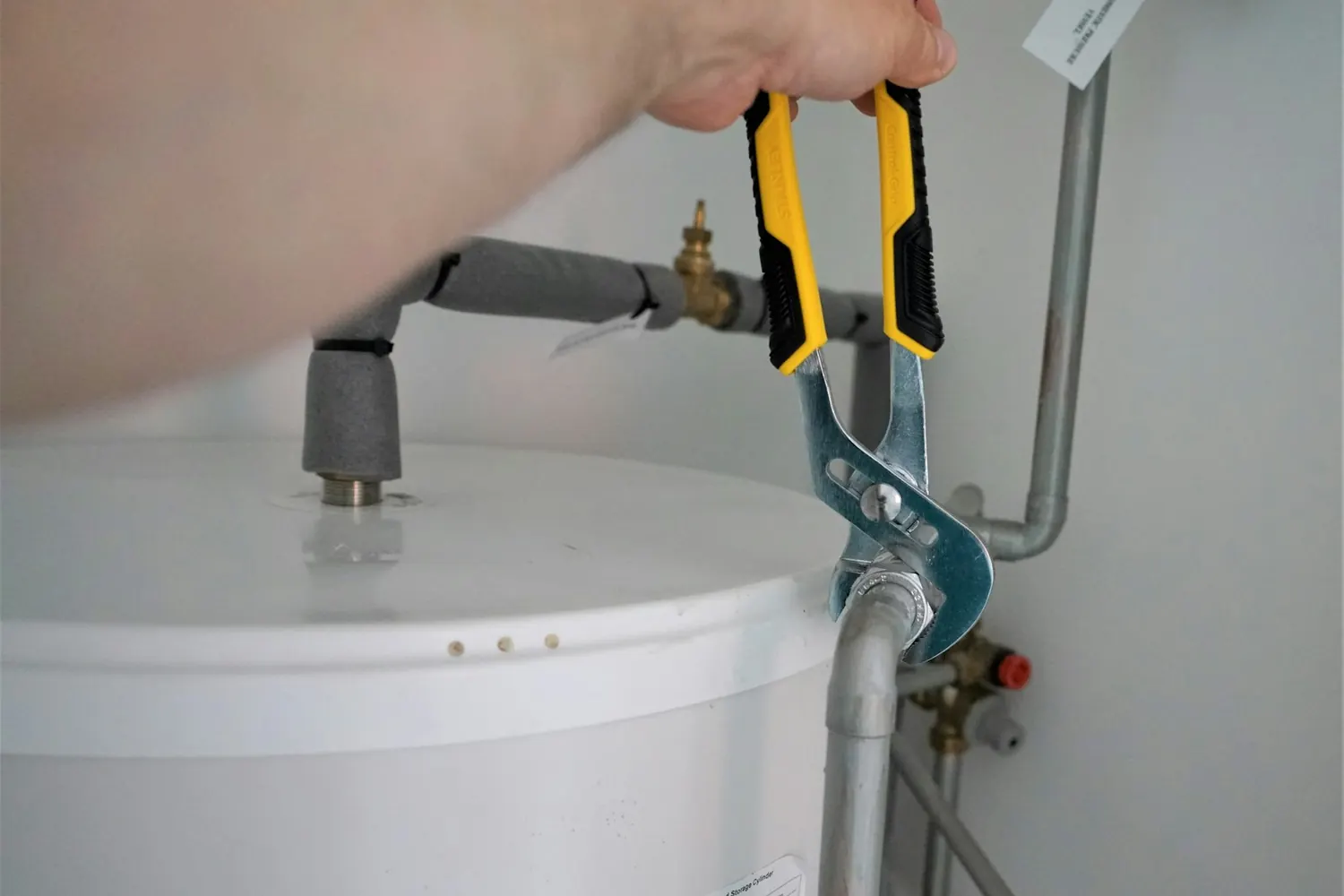
Almost every homeowner who has replaced a water heater in California has met the same pitch: someone offering to do it for noticeably less, cash, this afternoon, no permit. It is tempting precisely because nothing visibly bad happens afterwards. The water gets hot either way. What you are actually buying is an undocumented gas appliance and a problem deferred to a worse moment.
Why a Permit Is Required at All
A water heater is not a plug-in appliance. In a typical Rocklin home it ties into the gas supply, vents combustion products, holds water under pressure at scalding temperature, and sits in a seismically active state. Get any of those wrong and the failure modes are not inconvenience — they are fire, carbon monoxide, flooding or a toppled tank tearing a gas line off its fitting in an earthquake.
The permit and inspection process exists so that an independent set of eyes confirms the install is safe before the job is considered finished. It also creates a record attached to the property, which matters far more than people expect when the house changes hands or an insurer asks questions.
Permits are administered locally, so the exact fee, the forms and the inspection process vary between jurisdictions. Your building department is the authority on the specifics for your address, and a contractor who works in your city every week will already know the local routine.
What the Inspector Actually Checks
Inspections are more predictable than people fear. An inspector works through a short list of items that cause real-world failures.
Seismic strapping
California requires storage water heaters to be braced against earthquake movement. Conventionally that means two straps — one in the upper portion of the tank and one in the lower — anchored into solid framing or masonry, not just into drywall. Inspectors look at strap placement, the fixings used, and whether the straps are actually tight. A single loose strap around the middle of the tank is one of the most common corrections written.
Temperature and pressure relief discharge
The T&P valve is the safety device that prevents a water heater becoming a pressure vessel. Its discharge pipe has to be the correct size, run downhill to an approved termination where a discharge would be visible and would not scald anyone, and have no valve, no reduction and no threaded end that could be capped. Inspectors check the routing, the material and the termination point. Discharge piping that runs uphill, into a sealed container or nowhere at all is an automatic correction.
Drain pan and pan drain
Where a leak could damage the building — interior closets, upstairs locations, above finished space — the heater needs a pan beneath it, piped to a suitable drain point. A pan with no outlet is a bathtub waiting to overflow, so the inspector looks for where the pan actually drains to.
Thermal expansion control
If the water supply has a pressure regulator or a check valve, the house plumbing is a closed system. Heated water expands and, with nowhere to go, pressure spikes every heating cycle. That is what an expansion tank handles. Inspectors look for one where the system requires it, correctly supported and installed in the right orientation for the model.
Combustion air
An atmospheric gas water heater burns air from the room it sits in. Shut it in a sealed closet and it will starve, burn poorly and potentially spill combustion products into the house. Inspectors check that the space has adequate combustion and ventilation air, whether that is through the garage, through louvred openings or via ducted air. Converting a garage to a sealed room with the heater still in it is a classic way to fail.
Venting and draft
On a gas unit, the inspector checks vent material, diameter, slope, connector length, clearance to combustibles and whether the vent is correctly connected and supported. Common issues are crushed or disconnected flex connectors, an undersized vent after someone fitted a larger heater, too many elbows, and inadequate rise before the first turn. The point of all of it is to confirm the appliance actually draws its exhaust outside rather than into the garage.
Gas supply, sediment trap and shutoff
The gas connection needs an accessible shutoff valve, an appropriate approved connector, and a sediment trap (a drip leg) ahead of the appliance control to catch debris and moisture before it reaches the gas valve. Inspectors also look for correctly made joints and a leak test. The sediment trap is routinely left off by hurried installers and is one of the easiest items for an inspector to spot.
Water connections and electrical
Expect a look at dielectric separation where dissimilar metals meet, accessible isolation on the cold inlet, and — on electric and heat pump units — a proper disconnect and bonding.
What Happens If You Skip It
The cost of skipping a permit is almost never paid on the day. It is paid later, in one of these four ways.
- Resale friction California sellers have broad disclosure obligations about the condition of a property. An unpermitted gas appliance that shows up in a buyer home inspection becomes a negotiation item at the worst possible moment — and the usual outcome is you paying to permit and correct it under time pressure, or a price reduction.
- Insurance trouble If a water heater causes water damage, a fire or a carbon monoxide incident, the first thing an adjuster establishes is whether the installation was permitted and code compliant. Unpermitted work gives an insurer a straightforward basis to question or reduce a claim. You do not want to discover that argument exists after the damage.
- Warranty and liability gaps Manufacturers condition warranties on correct installation. An uninspected install by someone who may not have been licensed leaves you with nobody to stand behind the work, and no documentation to prove what was done.
- Future permits exposing it Apply to permit a remodel, a solar array or a panel upgrade and the inspector sees the whole property. Unpermitted work discovered then has to be resolved before the new project can proceed.
And the safety point, which is the real one: strapping, relief discharge, combustion air and venting are not bureaucratic boxes. Each of them exists because of accidents. An inspector looking over the work is the cheapest second opinion you will ever get on a gas appliance in your home.
How the Process Goes on a Normal Job
- Permit at the time of work The contractor applies with the local building department. For a straight swap this is routine administration, not a design review.
- Install to current code Current requirements apply even if the old unit predated them — strapping, relief discharge, pan, expansion control, venting and gas connection all come up to standard.
- Inspection The inspector visits, works the list above, and signs off. Blocked access to the heater is the most common reason for a return visit.
- Final record The permit is closed out and the work is on record for the property.
Where We Come In
We pull the permit as part of every water heater replacement and every new water heater installation we do in Rocklin. It is in the quoted price, not a line added later, and we meet the inspector ourselves.
If you have inherited an unpermitted install from a previous owner or contractor, say so when you call. We can tell you plainly which items would fail an inspection today and price the corrections — a far better position than finding out during escrow.